
Packing well for a long-distance walk is one of those things people only take seriously after they’ve got it wrong once. A blister on day two, a soaked map, a bag that’s too heavy by lunchtime. It all adds up.
Hadrian’s Wall Path runs through open, exposed countryside where the weather can shift from bright sunshine to a sharp shower within the hour. The terrain changes just as often, with flat riverside stretches giving way to steeper, rockier climbs near the Wall itself. If you’re planning a Hadrian’s Wall walking holiday, a bit of thought before you set off makes a real difference to how much you actually enjoy the walk.
The trick is packing for what you’ll genuinely need, not everything you might possibly use. A day pack that’s overloaded slows you down and wears you out faster than the walking itself. Below is a practical rundown of what to bring, and why.
Start With the Right Walking Gear
Boots or shoes matter more than anything else on this list. They need to be comfortable and, ideally, already broken in. New boots on a multi-day walk are asking for trouble. Look for something with decent grip, since parts of the path get muddy or uneven even in summer.
Layers are your best friend here. Lightweight, breathable fabrics work well when the sun’s out and you’re covering ground, but the weather along this route rarely stays predictable for long. A packable waterproof jacket and a pair of waterproof trousers should go in the bag regardless of the forecast. Cumbria has a habit of proving forecasts wrong.
Walking poles are worth considering too, especially on the sections near the Wall where the ground climbs and drops more sharply. They take pressure off your knees on the way down and give you a bit more stability on loose or wet ground. Not everyone needs them, but if you’ve got dodgy knees or you’re tackling one of the longer stages, they’re a small addition that pays off.
If you’re staying somewhere like the old hemmel cottage cumbria offers as a base, you’ve got a good spot to dry out gear and reset before heading back out the next morning, which matters more than people expect on a multi-day trip.
Clothing to Pack for a Hadrian’s Wall Walk
Think in layers you can add or take off as the day changes. A breathable base layer, something light to go over it, and a warmer piece for early mornings or when the wind picks up on higher ground. You’ll probably end up adjusting what you’re wearing two or three times before lunch.
Pack more than one pair of walking socks. Wet feet are one of the fastest ways to end up with blisters, and even in summer, morning dew or a stream crossing can leave your first pair damp. Having a dry spare in your bag is a small thing that makes a big difference by mid-afternoon.
A sun hat and sunglasses earn their place too, even on a day that starts overcast. There’s very little shade along most of the route, and the light can be surprisingly strong once the cloud clears. Breathable clothing helps here as well, since you’ll be walking steadily rather than standing still.
Don’t skip the warm layer. Mornings and evenings along the Wall can be noticeably cooler than the middle of the day, particularly if you’re out early to beat the crowds or catching the last light on your way back to accommodation.
What to Carry in Your Day Pack
Get the size right before you get anything else right. A pack that’s too big encourages you to fill it with things you won’t use, and a pack that’s too small means you’re constantly repacking or leaving things behind. Somewhere around 20 to 30 litres suits most day walks on this route, with room to spare for layers you take off during the day.
Water and snacks are non-negotiable. There are refill points and villages along the way, but you don’t want to be relying on timing being perfect. Pack more water than you think you’ll need, especially on the warmer stretches with little shade.
Sunscreen, tissues, a compact first aid kit and a small rubbish bag round out the basics. None of these take up much room, but each one solves a real problem if you need it. The rubbish bag matters more than people think. This is farmland and heritage countryside, and carrying your own waste out is just part of walking it properly.
If you’re stopping somewhere like a pheasant cottage hut at the end of the day, having your electronics and valuables in waterproof pouches means you’re not unpacking a soggy bag when you get in. A dry bag or even a couple of good freezer bags will do the job for phones, cash and anything else you’d rather keep dry.
Navigation and Walking Essentials
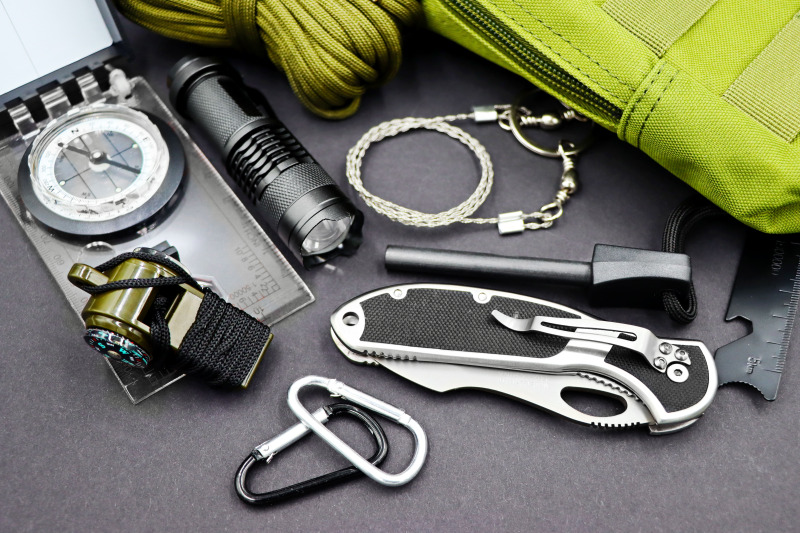
Phones are useful, but they shouldn’t be your only way of finding your way along the route. Battery life drops faster than expected when a phone’s constantly pinging for GPS, and signal isn’t guaranteed everywhere along the path. A physical map or a proper walking guide is worth the extra weight in your bag.
That said, keep your phone charged and accessible. It’s your quickest way to check directions, look up somewhere to eat, or call for help if something goes wrong. A portable power bank solves the battery problem without much extra bulk, and it’s one of those items that feels unnecessary right up until you actually need it.
Know your route before you set off each day. Not just the distance, but where you’ll pass through, where you can stop for a break, and roughly what time you’d expect to arrive. Villages along the Wall aren’t evenly spaced, so it helps to know in advance where you’ll find a shop, a pub, or somewhere to sit down for twenty minutes.
Packing for Changing Conditions Along Hadrian’s Wall
Rain, wind and full sun can all show up in the same afternoon here. It’s not unusual to start a walk in cloud and finish it in bright sunshine, or the other way round. Packing for one type of weather and hoping for the best isn’t really an option on this route.
Waterproof storage for spare clothes and electronics is worth repeating, because it’s the one thing people forget until their bag gets caught in a downpour. A dry bag inside your pack keeps everything usable even if the outside gets soaked.
Sun protection matters even on days that start grey. Cloud cover doesn’t block UV the way people assume it does, and an overcast morning can turn into a clear, bright afternoon with very little warning. Reapply sunscreen if you’re out for several hours.
Adjust what you’re carrying based on the day ahead. A shorter, easier stretch doesn’t need the same load as a longer day with steeper sections. Checking the route and the forecast the night before helps you pack smarter rather than just throwing everything in every time.
If you’re looking for Hadrian’s Wall holiday accommodation that gives you a proper place to dry gear, cook a meal and get a good night’s sleep between walking days, it’s worth choosing somewhere close to the route rather than adding extra travel time on top of an already long day.
Planning Your Walk Around Hadrian’s Wall Country
Think about where you’ll eat, rest and refill water before you set off, not halfway through the day. Villages along the path have pubs, cafes and small shops, but they’re not all open at the same times, and some stretches go a fair distance without any of them.
Match your daily distance to your actual fitness level, not what you think you should be able to do. Longer stages sound manageable on paper but feel very different by the afternoon, especially with a full pack on uneven ground.
Leave room in your schedule to actually look around. Hadrian’s Wall Country has forts, museums and small villages worth ten or fifteen minutes of your time, and rushing past them to hit a daily target rather defeats the point of walking here in the first place.
Staying near Lanercost puts you in a genuinely convenient spot for this part of the route, close enough to the Wall without being right in the middle of the busier tourist stretches.
Make Your Hadrian’s Wall Walking Holiday More Enjoyable
Keep your pack light by being honest about what you’ll actually use. It’s tempting to bring extra “just in case” items, but every one of them adds weight you’ll be carrying for hours.
Look after your feet properly during longer days. Stop and deal with a hot spot before it becomes a blister, change your socks if they get wet, and don’t push on through discomfort just to keep to a schedule.
Give yourself time to actually take in the landscape and the history along the way. It’s easy to get fixated on covering distance and miss what makes this walk worth doing in the first place.
Holmehead Holiday Homes offers a quiet countryside base beside the River Irthing, a short walk from Lanercost, ideal for walkers who want somewhere peaceful to unwind between days on the trail. If you’d like to check availability or ask about which of our properties suits your plans, contact us and we’ll help you sort out the details.